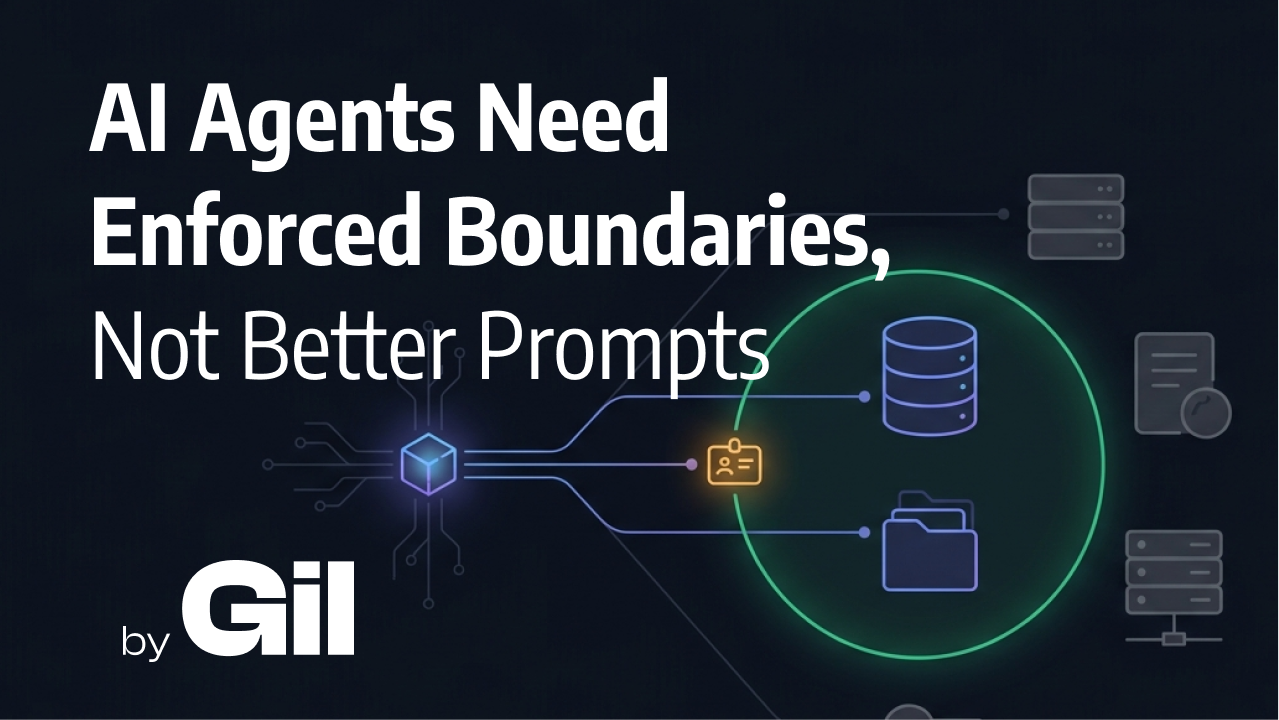
AI Agents Need Enforced Boundaries, Not Better Prompts
Two 2025 incidents, an agent that deleted a production database and one that nearly wiped a codebase, weren't prompt failures. They were boundary failures. A look at why AWS's security team, OWASP, and Okta are all converging on treating coding agents as a scoped, first-class identity, and why the same instinct has to extend to code review, not just access.
Anthropic Killed the Cheapest Way to Add AI to Your App
MCP officially deprecates Sampling on July 28 — the feature that let a third-party app borrow a user's own AI subscription instead of paying for inference itself. A look at which clients ever actually implemented it (Claude Desktop and Claude Code never did), why the "low adoption" rationale is circular, and the one pattern for free AI in your app that survives the change.
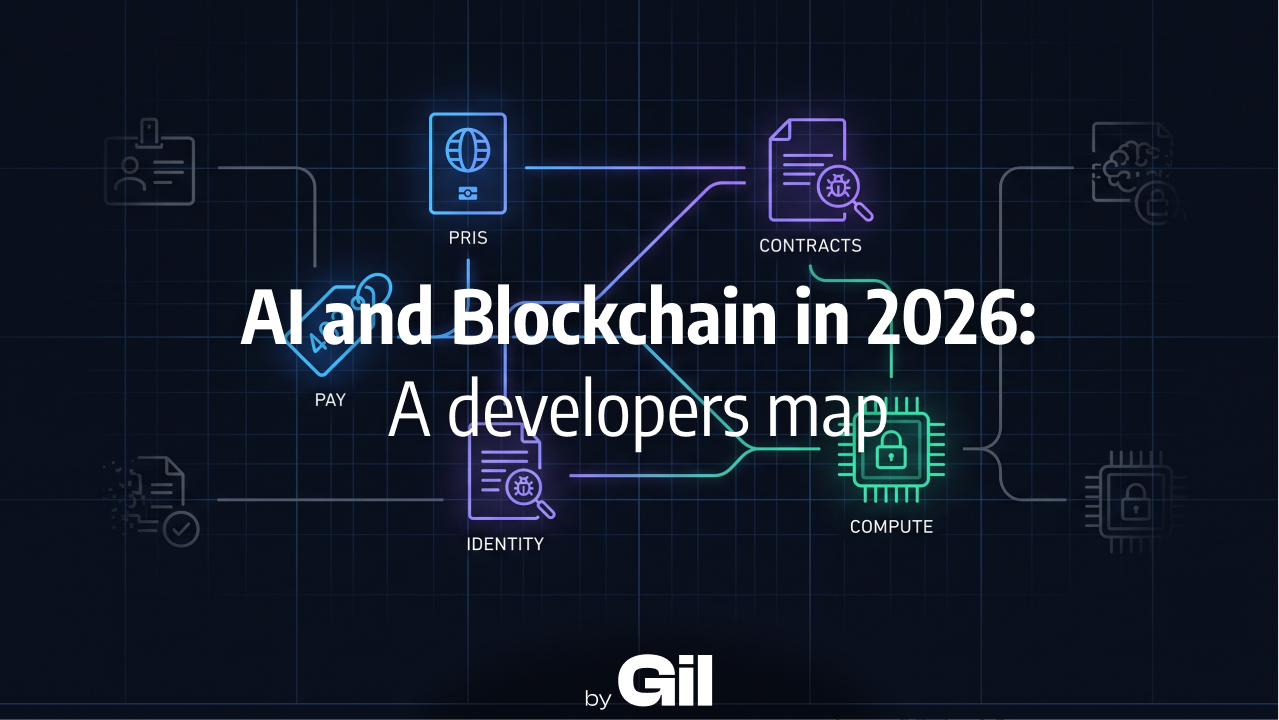
AI and Blockchain in 2026 - A Developers Map
A developer's field guide to where AI and blockchain actually meet in 2026: agent payments with x402, on-chain agent identity with ERC-8004, AI in the contract writing and audit loop, and decentralized compute with verifiable inference. It separates what genuinely shipped from what's still a demo, and points to where a developer can start.
What AWS Blocks Is Really For
AWS Blocks is a new open-source TypeScript framework that turns your backend code into the AWS infrastructure that runs it, an approach called Infrastructure-from-Code. This piece covers what Blocks actually does, how it compares to earlier IFC tools like Encore.ts and Nitric, the lock-in and single-Lambda trade-offs worth watching, and why AWS's backing might finally push Infrastructure-from-Code into the mainstream.

Discovery and Spec: The Missing Harness in AI-Assisted DeFi Development
Harness Engineering has two layers. The CI pipeline is one of them. This is the other — a structured discovery and spec workflow that constrains AI before it writes a single line of Solidity.

The Solidity CI Pipeline You Should Have Set Up on Day One
Ten CI gates built before writing the first contract — from formatter enforcement to Slither, Semgrep, and NatSpec checks. Which ones block PRs, which ones run nightly, and what the pipeline looked like when the auditor opened the repo.
How Small Businesses Should Approach Product Releases
Frequent, incremental releases beat big launches every time. A practical playbook for one- and two-person teams covering stability, rollback plans, user communication, and the Git/CI-CD discipline that makes releases predictable.
Cross-chain vs Multi-chain - How to Choose the Right Approach for Your Web3 Product
Cross-chain and multi-chain sound similar but lead to very different architectures, costs, and security risks. A practical breakdown of when to pick each — and when a hybrid is the right call — with a real example from a token-gating SDK.

From Idea to Delivery - Practical Development Rituals for Small Digital Startups
Scrum without the ceremony tax: which rituals actually keep small teams shipping, and which ones to drop. Two-week sprints, merged planning + grooming, estimates in hours, and standups by video as a culture moment, not a status check.

Reentrancy and the Art of Defensive Programming in Smart Contracts
Why reentrancy still matters years after the DAO hack — and how Checks-Effects-Interactions, ReentrancyGuard, and pull-over-push design work together as defense in depth. Real-world rules for keeping state integrity under EVM's synchronous calls.

Turning Feature Plans Into a Technical Execution Strategy
How to go from MVP feature list to something a team can actually start building: feature breakdown, dependency mapping, prioritization, technical spec, sprint roadmap, and progressive task breakdown — without overplanning what's still going to change.
How useDeferredValue Can Improve React App Responsiveness
The lesser-known React 18 hook that improves perceived performance by marking values as low-priority. When to reach for it, when to avoid it, and how it differs from useTransition.

From Structure to Simulation - Creating an Interactive Prototype
From information architecture to wireframes to atomic-design components — the order in which you build a prototype is what makes feedback useful. A practical path that catches problems before they hit code.
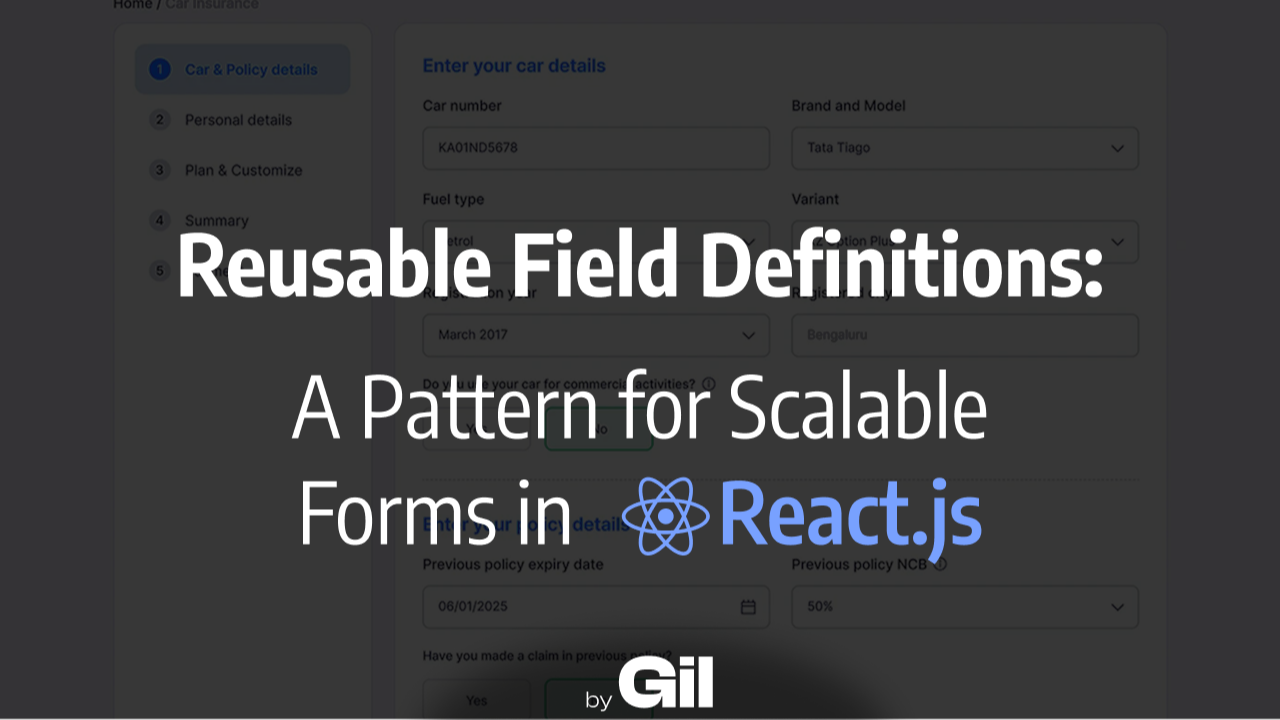
Reusable Field Definitions - A Pattern for Scalable Forms in React
A pattern born from code-generated CRUD platforms: declarative field definitions that power signup pages, profile editors, and admin screens from a single source of truth. Forms scale, validation stays centralized, and the UI keeps up with the domain.

From Vision to Structure - Writing Functional Requirements with Method
How to write functional requirements that don't rot: user stories with acceptance criteria, Markdown over monolithic docs, and exactly two owners — never one, never three. The structure that actually survives a project.
Indexing Strategies for Scalable dApps - A Developer’s Perspective
On-chain storage is expensive and most data doesn't need to live there. A comparison of Alchemy, The Graph, and Subsquid based on real projects (Enclave Wallet, Jodobix, Dora) — including when paid indexers are worth it and when they go against the spirit of a public-good dApp.

When Dependency Injection Goes Too Far
DIP is a tool, not a rule. Two real projects where every class had an interface 'just in case' — and the cognitive cost that piled up. When abstraction earns its keep, and when it just adds noise.

We Can’t Scale Web3 Until We Nail Onboarding
Private keys and gas tokens are still the wall keeping mainstream users out of Web3. How abstract wallets, sponsored transactions, and embedded fiat on-ramps fix it — with lessons from building Enclave Wallet.

How AI Can Enhance Your Learning in New Technologies - My Experience with Solana Development
A real account of ramping up on Solana and Rust with Claude and Cursor as study partners — what AI got right, where it hallucinated APIs, and why fundamentals are still what keeps a project on track.

The First Steps in Creating a Digital Product
Fifteen exercises to pressure-test a product idea before writing any code: unmet needs, competitors, value proposition, personas, market size, revenue stream — the pre-build groundwork most founders skip and pay for later.